Osteoporosis & Osteoarthritis
A specialized bone and joint nutrition program designed to strengthen skeletal density, reduce joint inflammation, and relieve cartilage wear.
Description
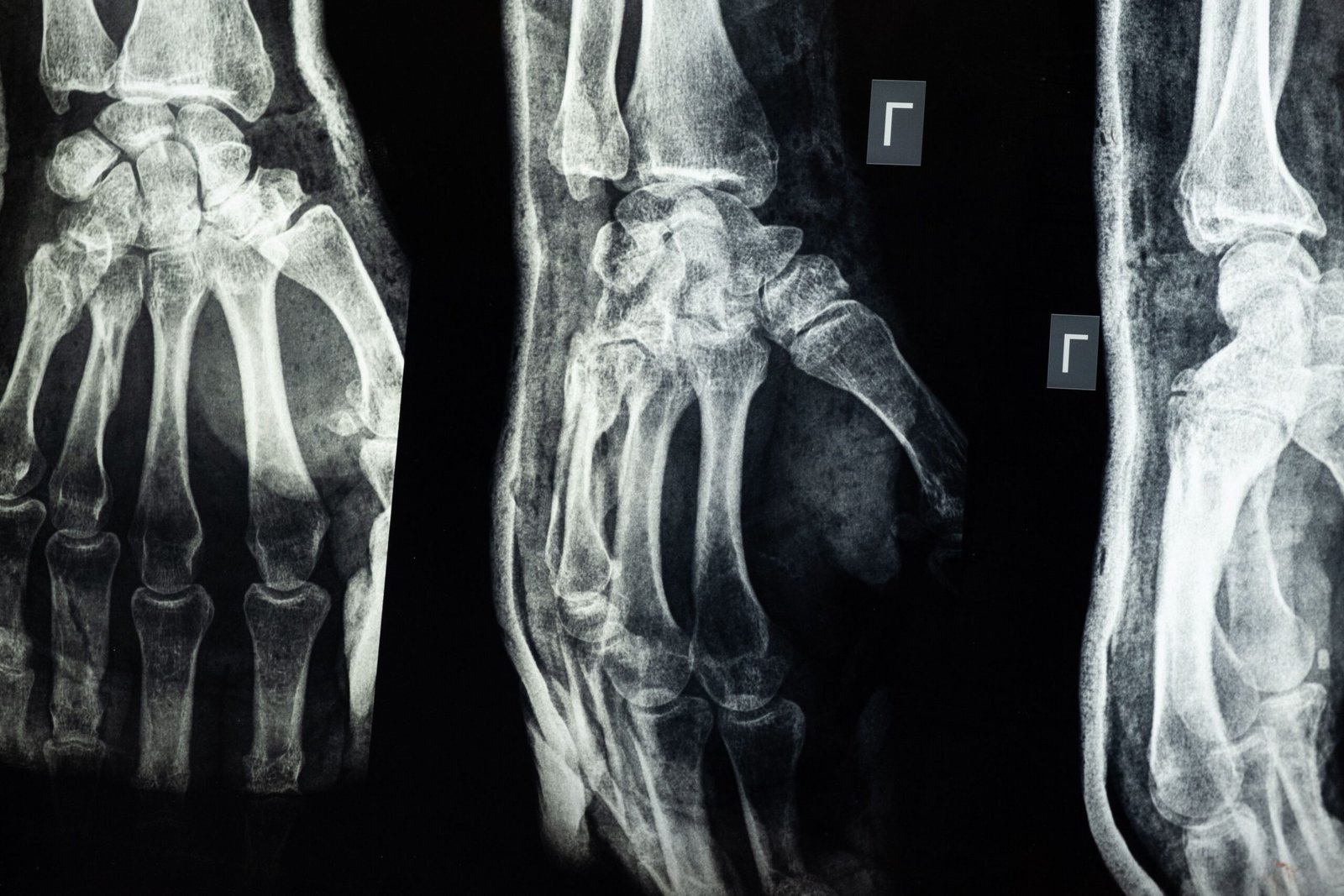
Bone and joint conditions like osteoporosis and osteoarthritis can significantly impact mobility, comfort, and independence as we age. Osteoporosis weakens bones by reducing density, while osteoarthritis involves the breakdown of protective joint cartilage, leading to stiffness and pain. Our specialized nutritional therapy focuses on targeted bioavailable minerals (such as calcium, magnesium, and vitamin D3), anti-inflammatory omega-3 fatty acids, and joint-supporting compounds to nourish bone matrix integrity and ease joint friction.
Benefit of the program
- ✓ Enhances Bone Mineral Density & Skeletal Strength
- ✓ Reduces Joint Inflammation & Stiffness
- ✓ Supports Cartilage Repair & Fluid Lubrication
- ✓ Improves Daily Mobility & Pain Management
How the Program Works
Skeletal & Joint Health Evaluation
Your clinical nutritionist assesses your bone density reports, joint pain patterns, dietary intake, and lifestyle factors to understand your specific requirements.
Targeted Mineral & Vitamin Protocol
A customized meal and nutrient plan is created to ensure optimal daily absorption of calcium, vitamin D, K2, and magnesium essential for bone mineralization.
Anti-Inflammatory & Joint Nutrition
Integration of anti-inflammatory superfoods, antioxidants, and cartilage-supportive nutrients designed to alleviate joint wear and systemic inflammation.
Long-Term Mobility & Lifestyle Guidance
Continuous monitoring, dietary adjustments, and lifestyle recommendations to preserve bone strength and protect joint function over time.

Frequently Asked Questions
An anti-inflammatory diet helps reduce systemic inflammation that worsens joint pain. Specific nutrients also support cartilage maintenance and joint fluid viscosity, reducing stiffness.
Calcium alone is not enough. Effective bone building requires a synergistic combination of Vitamin D3 for absorption, Vitamin K2 to direct calcium into bones, and minerals like magnesium and trace elements.
While diet cannot completely reverse existing structural cartilage damage, it can significantly slow progression, reduce inflammatory flare-ups, and support overall joint comfort and function.
Our plans emphasize leafy green vegetables, dairy or fortified plant alternatives, fatty fish rich in omega-3s, nuts, seeds, and colorful antioxidant-rich fruits to protect skeletal tissue.